What's the difference between a slab, crawl space, and basement foundation?
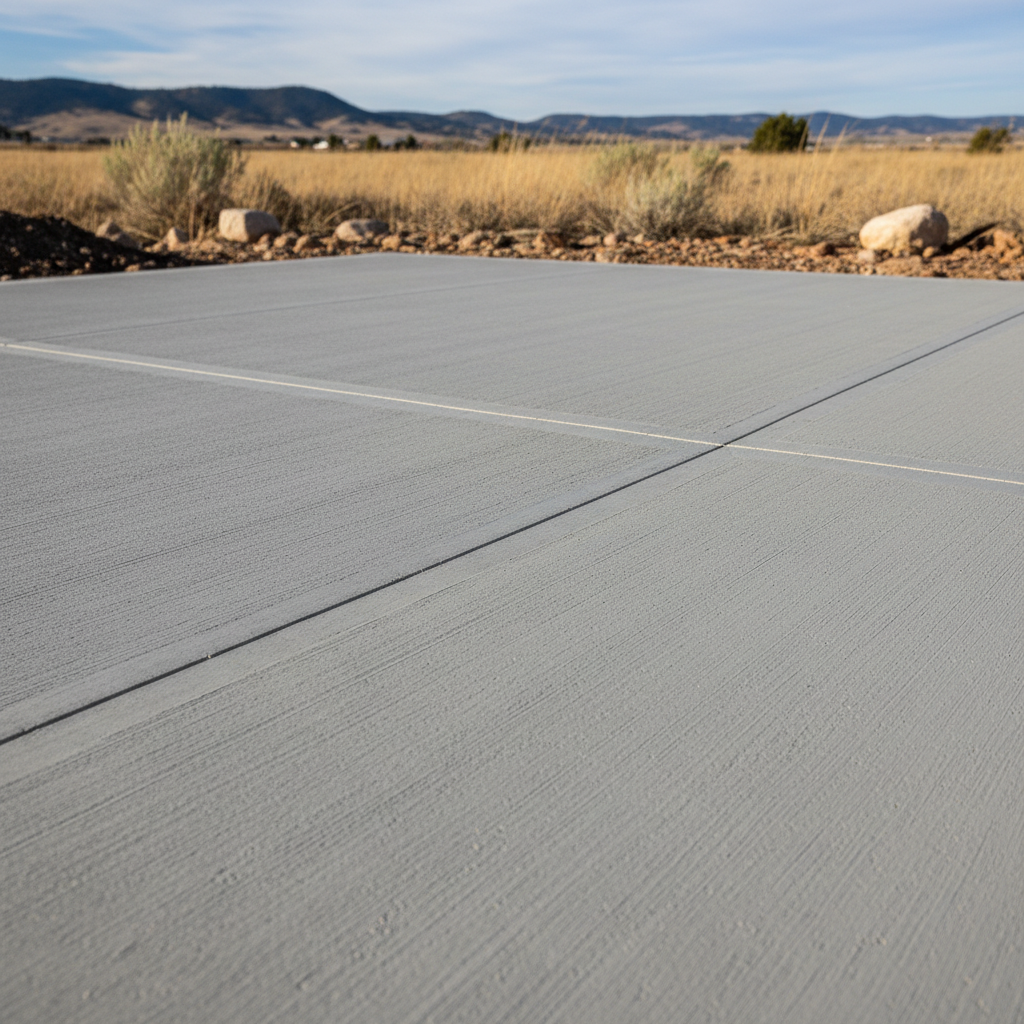
Alright, let's clear this up first. When we talk foundations, you've generally got three main types for homes around here. A slab-on-grade foundation is exactly what it sounds like: a thick concrete slab poured right onto the ground. Your house just sits on top of it. They're usually the cheapest to build, and you'll often see them on smaller homes or additions. The big thing with a slab? No extra space underneath the house.
A crawl space foundation uses short walls—usually concrete block or poured concrete—to lift the house off the ground. This leaves a shallow, unfinished area below. It's not tall enough to stand up in, but you can definitely crawl around to get at plumbing, wiring, or ductwork. This setup offers some protection from ground moisture and makes repairs a bit easier than with a slab.
Then there's the basement. This is a full-height, excavated space that goes under the entire house, built with concrete walls and a concrete floor. Basements give you a whole extra level for living space, storage, or utilities. Sure, they're the most expensive to build, but they add a lot of value and usable square footage. That's especially true when you're dealing with our colder Piedmont winters and need a protected spot for a furnace or water heater.
How long should a concrete foundation last in Piedmont?
A well-built concrete foundation, done right, should last for a very, very long time. We're talking 75 to 100 years, easy, and often much longer than that. The concrete itself is incredibly durable stuff. What usually causes issues isn't the concrete failing, but more often external factors. Think poor drainage, significant ground movement, or even improper backfilling during construction. If you've got good soil conditions, proper compaction, and the concrete was mixed and poured correctly with enough rebar, it's going to stand the test of time. That's exactly what we aim for at Primetime Concrete Co.
What causes cracks in concrete foundations, and are they always serious?
Cracks are probably the number one thing homeowners call me about. First, let me tell you, not all cracks are created equal. Some minor cracks? Totally normal. Concrete shrinks a little as it cures, and that can cause hairline cracks, especially in slabs. These are usually superficial and don't affect structural integrity at all. We just call them shrinkage cracks.
However, wider cracks, ones that go all the way through the wall, or cracks that run horizontally or stair-step are much more concerning. These can signal settlement, expansive soil issues (which we definitely see around Piedmont with our clay soils, don't we?), or even frost heave. If you spot cracks that are getting wider, if one side of the crack is higher than the other, or if you're noticing doors and windows sticking, it's time to get a professional out there to take a look. Please, don't ignore those.
Can I waterproof my existing basement foundation?
Absolutely, you can. It's a common request we get. There are a few ways to go about it, depending on whether the water is coming from the outside or inside. For exterior waterproofing, it usually means digging around the foundation, cleaning the walls, putting on a waterproof membrane, and installing a drainage system (like a French drain) to divert water away. This is the most effective method, but it's also the most disruptive and costly.
Interior waterproofing often involves installing an interior drainage system that collects water seeping through the walls and sends it to a sump pump. We might also apply sealants or coatings to the interior walls. The best approach really depends on your specific problem and your budget. It's not a one-size-fits-all solution, so we'd need to assess your situation to recommend the right fix.
How much does a new concrete foundation cost?
This is a tough one to give a simple answer to, because there are so many variables involved. The cost of a new foundation depends heavily on the type (slab, crawl space, or basement), the size of the footprint, how deep we need to excavate, soil conditions, the amount of rebar or post-tensioning needed, and even how accessible the site is. For instance, building on a sloped lot up near the hills can add significantly to the cost due to more complex excavation and retaining wall needs.
Generally, a slab will be the least expensive, then a crawl space, and then a full basement. You're looking at costs that can range from tens of thousands for a simple slab up to well over a hundred thousand for a large, complex basement foundation. The best way to get an accurate estimate is to have us come out, look at your plans, and assess the site. We'll give you a clear, itemized quote.
What are the signs my foundation might be failing?
You need to be vigilant about a few key indicators. Beyond the serious cracks I mentioned earlier, keep an eye out for doors and windows that suddenly stick or don't close properly—this can mean the frame is shifting because of foundation movement. Uneven or sloping floors are another big red flag. If you put a marble down and it rolls to one side of the room, that's a pretty good sign something's off. Gaps appearing between walls and ceilings or floors are also concerning. If you have a basement, look for standing water, dampness, or a musty smell. Any of these signs warrant a professional inspection. Don't wait until it becomes a much bigger, more expensive problem.