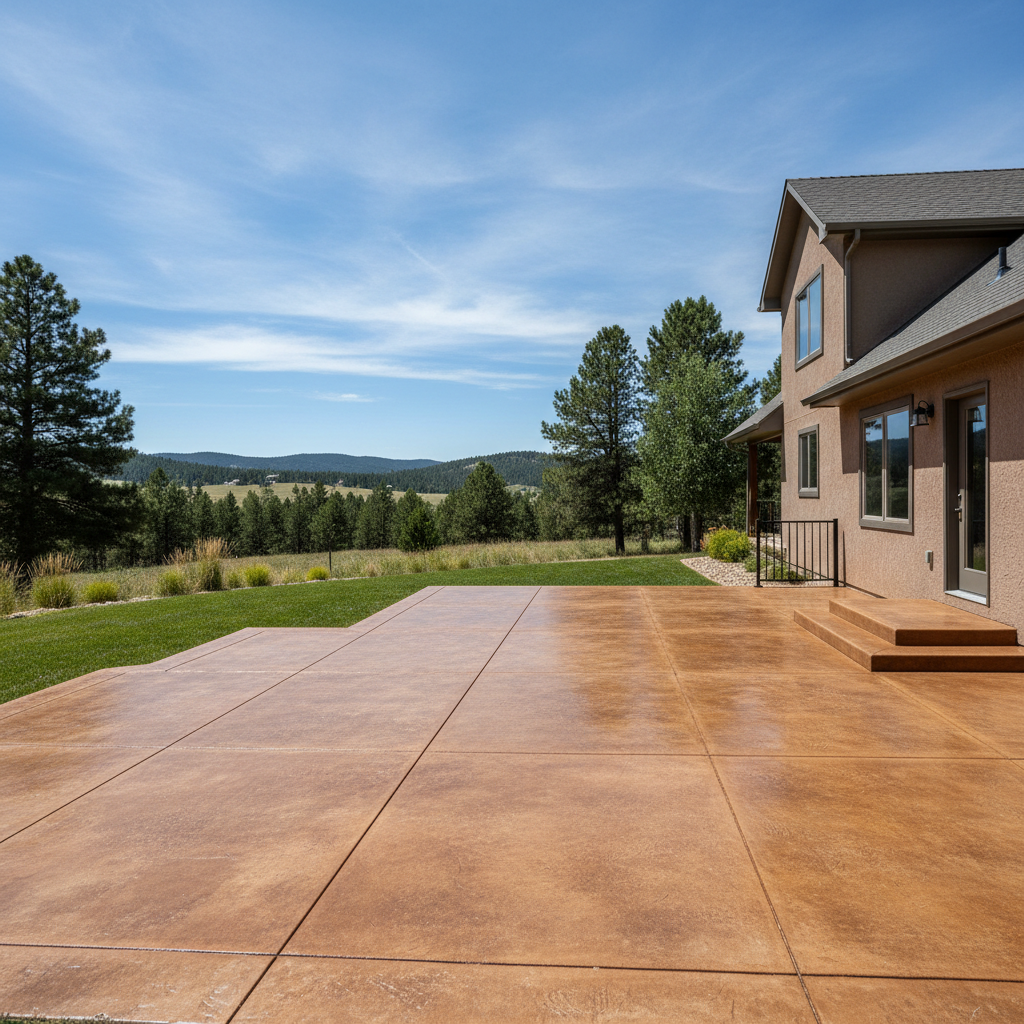
So, you've got some gorgeous stained concrete, maybe it's your patio, your garage floor, or even an indoor surface. It looks fantastic, right? That's the goal! But here's the deal: stained concrete isn't a 'set it and forget it' kind of thing, especially not around here in Piedmont. You've gotta give it a little love if you want it to keep looking its best for years to come. Think of it like taking care of a nice car; regular maintenance makes all the difference.
Extending the Life of Your Stained Concrete
The biggest thing you can do to make your stained concrete last is protect that top sealer coat. That sealer is the real hero, shielding the color from UV rays, abrasion, and moisture. If that sealer fails, your stain starts to fade, and you're looking at a much bigger job.
- Re-seal Regularly: For exterior surfaces, I usually recommend re-sealing every 2-3 years. If it's a high-traffic area, like a driveway or a commercial space, you might need to do it annually. Interior floors can go much longer, maybe 5-7 years, depending on wear. You'll know it's time when water doesn't bead up on the surface anymore.
- Use the Right Sealer: Don't just grab any old sealer off the shelf. Different stains and environments require different types of sealers. Acrylic sealers are common for exterior, while polyurethanes or epoxies are great for interior or high-wear areas. If Primetime Concrete Co did the original work, we'll tell you exactly what we used and what to use for re-application.
- Protect from Heavy Impacts: Try to avoid dropping heavy, sharp objects on your stained concrete. It can chip the sealer and even the concrete itself, leaving a vulnerable spot.
- Watch the UV: Our South Dakota sun can be brutal. UV rays are a primary cause of sealer breakdown and color fading. A good quality, UV-resistant sealer is crucial.
Regular Maintenance: What You Need to Do
This isn't rocket science, folks. Most of it is just common sense cleaning.
- Sweep or Blow Off Debris: For exterior surfaces, regularly sweep or use a leaf blower to remove dirt, leaves, and grit. This stuff acts like sandpaper underfoot, slowly wearing down your sealer.
- Mild Cleaning: For general cleaning, a mop with warm water and a mild, pH-neutral cleaner is usually all you need. Avoid harsh chemicals, ammonia, bleach, or anything abrasive. These can dull or strip your sealer.
- Spot Clean Spills Immediately: If you spill something like oil, grease, or a colored liquid, clean it up right away. The longer it sits, the more likely it is to penetrate the sealer and stain the concrete itself.
- Rinse Exterior Surfaces: After cleaning, make sure to rinse exterior surfaces thoroughly to remove any cleaning solution residue.
- Avoid Pressure Washing (Mostly): I'm generally not a fan of pressure washing stained concrete, especially if you're not experienced. You can easily damage the sealer or even etch the concrete if you use too high a pressure or hold the nozzle too close. If you must, use a wide fan tip and keep the pressure low, like 1200-1500 PSI, and keep it moving.
Warning Signs of Problems
Your concrete will tell you when it needs help. You just have to know what to look for.
- Fading Color: If your beautiful stain is starting to look dull or patchy, that's a clear sign your sealer is failing, and the UV rays are getting to the color.
- Water Penetration: When you spill water on the surface, does it soak in instead of beading up? Your sealer is gone in that spot, and moisture is getting into the concrete.
- Peeling or Flaking Sealer: This is a definite sign of sealer failure. It might be due to poor application, an incompatible sealer, or just age.
- Cracks: Small hairline cracks can happen, especially with our freeze-thaw cycles here in Piedmont. If they start getting wider or you see a lot of new ones, that's a bigger concern.
- Stains That Won't Come Out: If you've got persistent stains despite cleaning, it means the contaminant has gotten past the sealer and into the concrete.
When to Call a Professional
Look, sometimes you just need to bring in the pros. Don't let a small issue turn into a big, expensive problem.
- Extensive Sealer Failure: If you've got widespread peeling, flaking, or significant fading, it's often better to have us come out. We might need to strip the old sealer before applying a new one, which is a job best left to someone with the right equipment and experience.
- Deep Stains: If you've got oil, rust, or other deep stains that regular cleaning won't touch, we have specialized cleaners and techniques that can often pull those out without damaging the stain.
- Cracks or Spalling: For anything more than minor hairline cracks, or if you see spalling (surface flaking or pitting), you'll want a professional assessment. We can often repair these issues and blend them in so they're barely noticeable.
- You're Unsure: Honestly, if you're not sure what's going on or how to fix it, just give Primetime Concrete Co a call. It's better to get an expert opinion early than to try a DIY fix that makes things worse. We're happy to take a look and give you an honest assessment. We've seen it all, from the beautiful results to the 'oops, I tried to fix it myself' situations.
Taking care of your stained concrete isn't a huge chore, but it's important. A little preventative maintenance goes a long way in keeping your investment looking sharp for years to come.